
How To Build Your Own Ecommerce Business With The Right Ecommerce App Development Company
In today's digital-first world, e-commerce has become the backbone of modern business. Whether you're an aspiring entrepreneur or an established business owner, embracing e-commerce is no longer optional it's essential for growth and long-term success.
Consider these compelling statistics that showcase the unstoppable rise of online retail:
- 20.8% of retail purchases are expected to take place online in 2023
- E-commerce sales are projected to grow by 10.4% in 2023
- The global e-commerce market is estimated to reach $6.3 trillion in 2023
Clearly, building an e-commerce business is a lucrative opportunity. However, success doesn’t come by chance—it requires strategic planning, the right technology, and the support of a skilled ecommerce app development company. Below is a detailed step-by-step guide to help you build, launch, and grow your e-commerce business effectively.
Market Research and Niche Selection (Weeks 1–4)
Start by conducting thorough market research to identify opportunities and emerging trends in the e-commerce landscape.
- Choose a niche that aligns with your interests, expertise, and customer needs.
- Analyze competitors to identify gaps and unique selling points (USPs).
- Validate your idea through surveys or focus groups before investing heavily.
Business Planning (Weeks 5–8)
Create a detailed business plan that outlines your objectives, target market, and revenue model.
- Define your brand identity and unique value proposition.
- Estimate your startup costs, expected profits, and potential funding options.
- Map out a marketing and sales strategy tailored to your audience.
Legal and Financial Setup (Weeks 9–12)
Lay a strong foundation by handling all legal and financial formalities early on.
- Register your business and obtain necessary licenses.
- Open a dedicated business bank account and set up an accounting system.
- Decide on pricing strategies, considering costs, shipping, and desired margins.
Supplier Selection (Weeks 13–16)
Reliable suppliers are crucial to the success of your e-commerce business.
- Research and partner with trustworthy suppliers or manufacturers.
- Negotiate terms, quality standards, and delivery timelines.
- Consider dropshipping or print-on-demand models for flexibility.
Website & App Development (Weeks 17–20)
Your website or mobile app is your digital storefront—make it exceptional. Partnering with a professional ecommerce app development company can make all the difference.
- Choose a relevant domain name and platform (e.g., Shopify, WooCommerce, Magento).
- Ensure your website is mobile-friendly, secure, and user-centric.
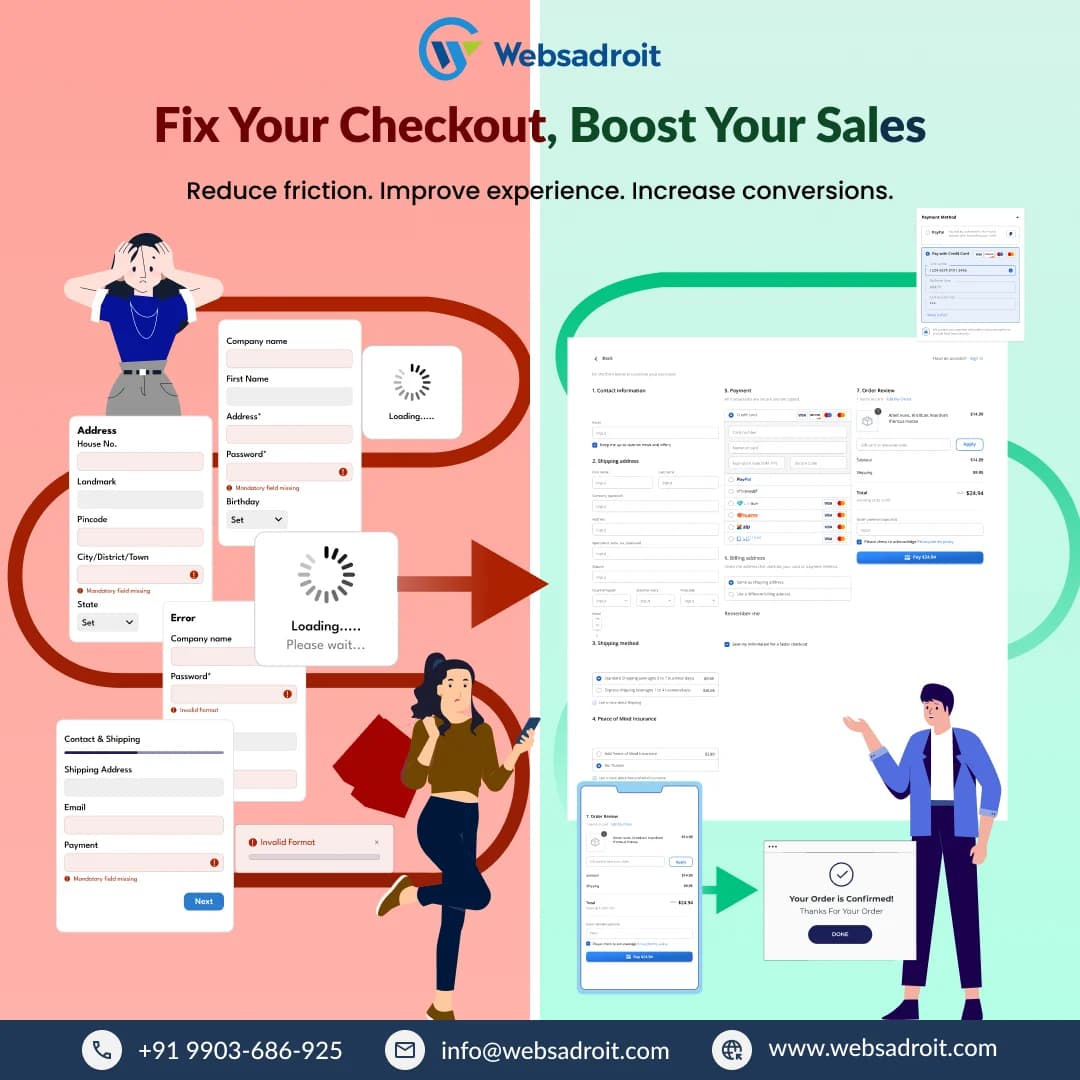
- Include high-quality images, engaging product descriptions, and a seamless checkout process.
Search Engine Optimization (SEO) (Weeks 21–24)
SEO helps potential customers discover your online store.
- Conduct keyword research and optimize product pages accordingly.
- Publish valuable blog content relevant to your niche.
- Build backlinks and enhance site speed for better rankings.
Marketing Strategy (Weeks 25–28)
Promote your e-commerce business through a multi-channel marketing approach.
- Leverage social media platforms like Instagram, Facebook, and Pinterest.
- Use email marketing to nurture leads and retain customers.
- Run paid ads to drive traffic and conversions.
Customer Service (Weeks 29–32)
Customer satisfaction is key to long-term success.
- Offer multiple support channels (chat, email, phone).
- Respond quickly and professionally to customer inquiries.
- Use feedback to improve your products and services continuously.
Shipping and Logistics (Weeks 33–36)
Efficient delivery builds trust and repeat business.
- Partner with reliable shipping carriers.
- Provide real-time order tracking and transparent shipping rates.
- Consider international delivery if expanding globally.
Analytics and Optimization (Ongoing)
Data-driven decisions lead to sustainable growth.
- Use analytics tools to track performance metrics like traffic and conversion rates.
- Continuously test and optimize your website, ads, and content.
- Refine your strategies based on customer behavior and feedback.
Scaling and Expansion (Ongoing)
Once your e-commerce business gains traction, focus on growth.
- Add new products or explore additional niches.
- Collaborate with influencers, affiliates, or complementary brands.
- Reinvest profits to enhance your marketing and operations.
Customer Retention (Ongoing)
Acquiring a customer is great—keeping them is better.
- Launch loyalty and referral programs.
- Offer discounts or exclusive perks for returning customers.
- Maintain engagement through newsletters and social media.
Adaptation and Innovation (Ongoing)
The e-commerce landscape evolves rapidly.
- Stay updated with industry trends and consumer behavior.
- Innovate your products and digital experience regularly.
- Be flexible and open to pivoting your strategies when needed.
Legal Compliance and Security (Ongoing)
Build trust by ensuring full compliance and data protection.
- Stay informed about e-commerce laws in your operating regions.
- Implement secure payment gateways and data encryption.
- Address any disputes promptly and transparently.
Community Building (Ongoing)
Turn your customers into brand advocates.
- Encourage user-generated content and product reviews.
- Engage with your audience through communities and social media groups.
- Showcase your brand’s values to foster long-term loyalty.
Final Thoughts
Building a thriving e-commerce business is a journey that combines strategic planning, consistent effort, and smart technology choices. Partnering with the right ecommerce app development company can streamline your operations, enhance user experience, and accelerate growth.
Remember, success in e-commerce doesn't happen overnight—but with persistence, innovation, and the right partners by your side, your online store can evolve into a powerful, profitable brand.